What began in CityLAB as an exchange on international urban development approaches and smart city methods has evolved into a concrete collaboration with the Build4People project in Phnom Penh. Together with TU Dresden, the Technologiestiftung Berlin has been a partner in the project’s implementation phase since 2025. Our participation in delegation activities in early December 2025 highlighted the potential of international collaboration and demonstrated how approaches in participation and digitalization can be practically applied in very different urban contexts.
Phnom Penh in Transition: Challenges and New Approaches
Phnom Penh is one of the fastest-growing cities in Asia. Rapid growth brings challenges familiar to many cities worldwide: increasing infrastructure pressure, traffic congestion, rising demand for housing, and the question of how digital tools can be deployed in ways that benefit everyone. This is exactly where Build4People comes in. For several years, the project has translated scientific findings on sustainable and participatory urban development into concrete processes, tools, and formats. The goal is to promote data-informed planning, better decision-making, and genuine public participation, including through the Transformation Toolbox and accompanying project formats such as the Transition Manufactories.
Participation Works Through Collaboration
From a Berlin perspective, Phnom Penh clearly demonstrates that digital tools and participatory processes only work when they are co-developed with and for the people on the ground. This approach is central both in the Build4Peopleproject and in our work at CityLAB Berlin: not top-down, but dialogical and accessible.
A reference point for this is our project Stadtlabor2Go, which we implement together with the cities of Wiesbaden and Mönchengladbach. The goal is a transferable model that helps cities shape participation and digital innovation together, allowing knowledge not only to be applied but also actively shared.
Learning Where Knowledge is Created: Collaboration with Universities
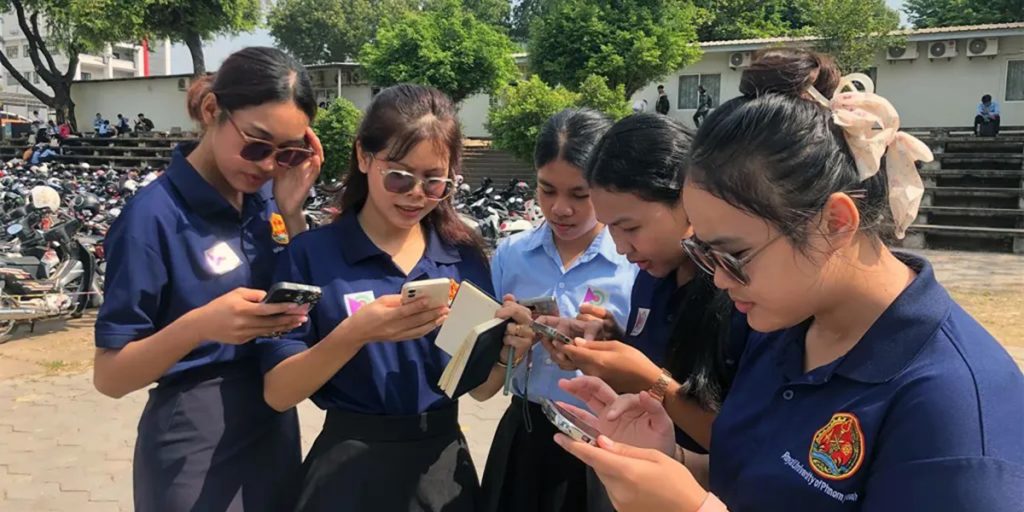
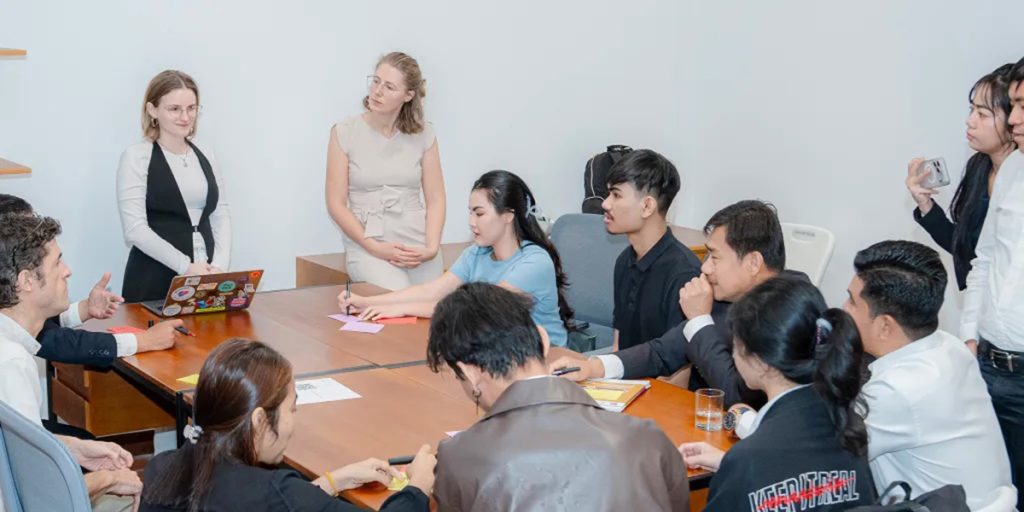
This is why it is particularly important to engage with the places where knowledge is generated: universities. A key element of Build4People is the close collaboration with students from local universities and institutes. In workshops and training formats, students from disciplines such as urban planning, architecture, environmental sciences, and engineering actively contributed to project content. They used digital participation tools, tested citizen science prototypes, and explored their own experiences with local spaces. This hands-on involvement not only strengthens the education of future professionals but also anchors participatory and data-based perspectives on urban development long-term in the local context.
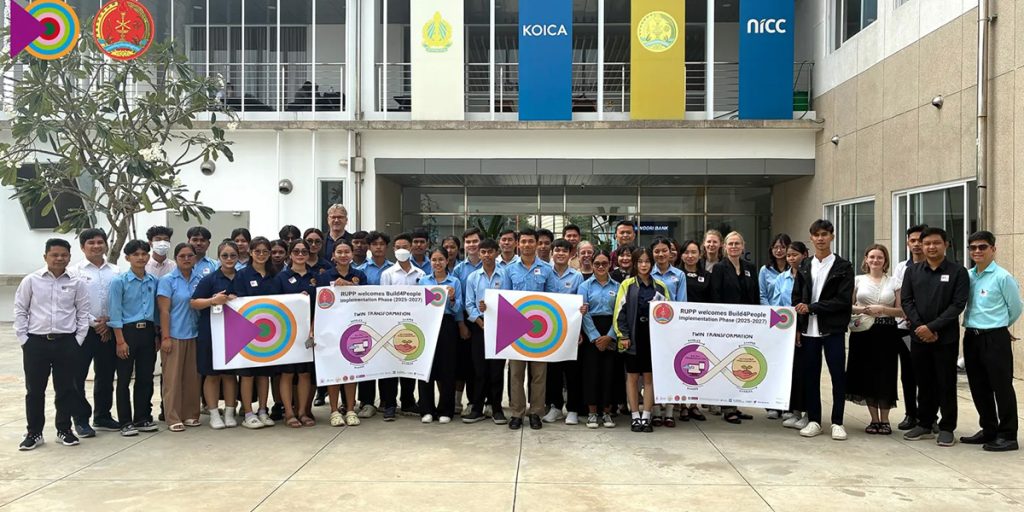
In addition to the workshops, discussions were held throughout the week with representatives from local construction companies, who met with city officials at the German Embassy to discuss the project and sustainable urban planning. A visit to the Cambodian government’s Digital Government Forum was, of course, also part of the program.
A New Place for Urban Collaboration: The Smart City Hub Phnom Penh
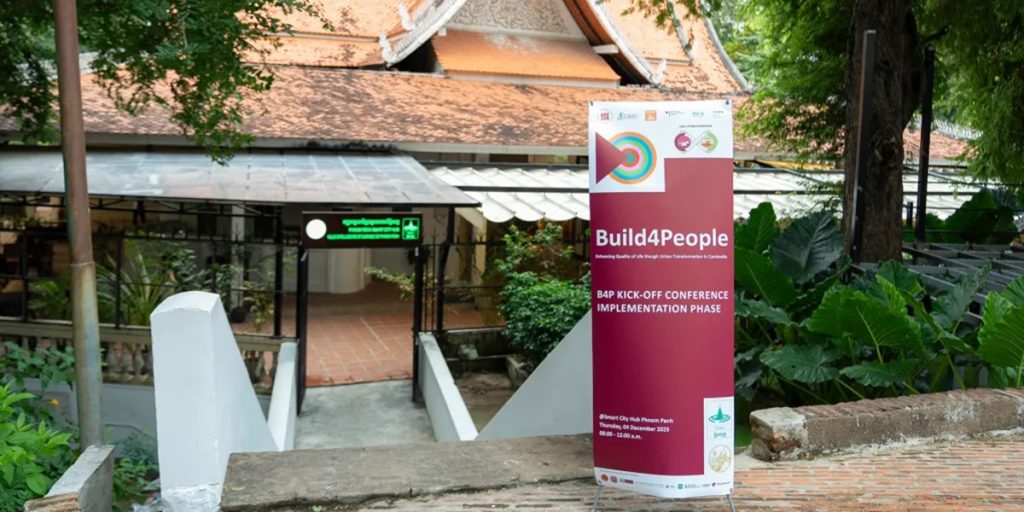
Another highlight of the trip was the kick-off of Build4People’s implementation phase, held at the newly opened Phnom Penh Smart City Hub, inspired by CityLAB. Representatives from administration, academia, civil society, and international partner institutions came together to discuss sustainable and participatory urban development.
The Smart City Hub is intended to serve as a permanent space for co-creation, exchange, and experimentation. It is located in a central park on a hill in the Doun Penh district, right next to the Giant Clock of Phnom Penh and within walking distance of Wat Phnom Temple. The Hub is therefore not only a symbolic location but also firmly embedded in everyday city life, highlighting the importance of digital and sustainable urban development for Phnom Penh itself.
Conclusion: Urban Development as a Global Exchange
Our experiences in Phnom Penh confirmed once again that cities learn from each other, and the challenges of digital, ecological, and social transformation are best addressed together. Collaboration with Build4People and the creation of innovation spaces such as the Smart City Hub demonstrate how international cooperation can contribute to shaping livable cities. Berlin not only provides inspiration but also engages in practical exchange, connecting local innovations with global perspectives.